
How do I join the WBPL book club?
No registration required! Any and all adults are invited to read the book and join the WBPL book discussion group, even if you’ve never participated before.
Discussions are held on the third Tuesday of the month at 7pm at the library!
Feel free to read along even if you can’t make it to the meeting, or check out the list of past selections if you’re looking for good books to read.
Next discussion
What: Sisters in Law by Linda Hirshman
Request a copy and we will reserve one for you.
When: Tuesday, Oct 20 at 7pm
Where: At the library or virtually on Zoom.
This is the link for the Zoom meeting!
If you’d prefer to phone in to the meeting, let us know and we’ll get you the phone number.
This program is available to all adults and all abilities. Please contact the library if you have accessibility needs.
Book club email updates
We occasionally send out updates about the book club via email.
Contact us to be added to the book club email list!
2026 Books
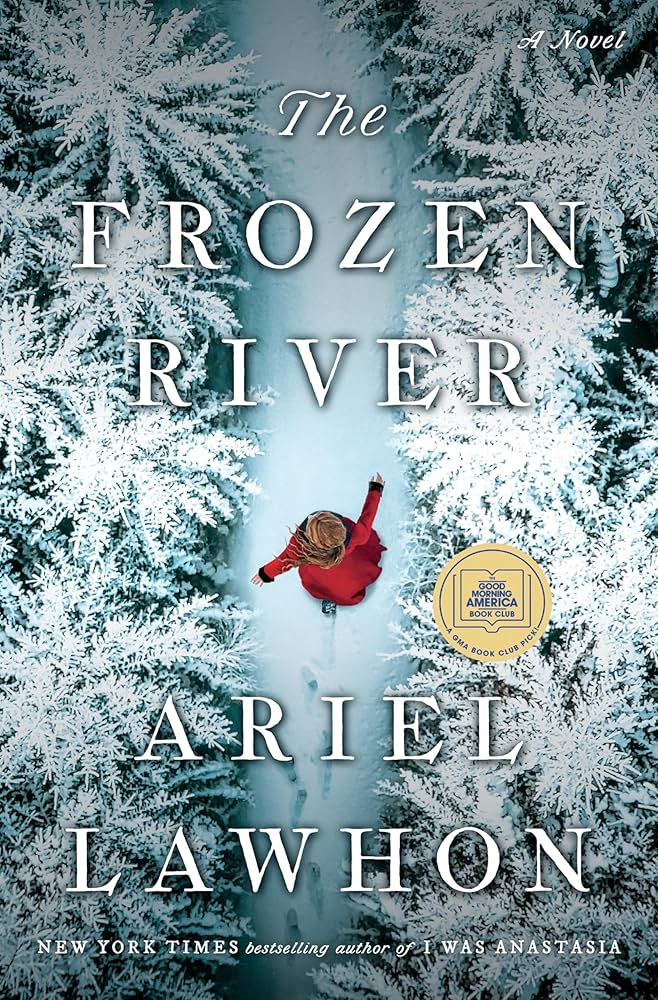
January: The Frozen River by Ariel Lawhon
Maine, 1789: When the Kennebec River freezes, entombing a man in the ice, Martha Ballard is summoned to examine the body and determine cause of death. As a midwife and healer, she is privy to much of what goes on behind closed doors in Hallowell. Her diary is a record of every birth and death, crime and debacle that unfolds in the close-knit community. Months earlier, Martha documented the details of an alleged rape committed by two of the town’s most respected gentlemen—one of whom has now been found dead in the ice. But when a local physician undermines her conclusion, declaring the death to be an accident, Martha is forced to investigate the shocking murder on her own.
Over the course of one winter, as the trial nears, and whispers and prejudices mount, Martha doggedly pursues the truth. Her diary soon lands at the center of the scandal, implicating those she loves, and compelling Martha to decide where her own loyalties lie.
February: James by Percival Everett

A brilliant reimagining of Adventures of Huckleberry Finn—both harrowing and satirical—told from the enslaved Jim’s point of view
When Jim overhears that he is about to be sold to a man in New Orleans, separated from his wife and daughter forever, he runs away until he can formulate a plan. Meanwhile, Huck has faked his own death to escape his violent father. As all readers of American literature know, thus begins the dangerous and transcendent journey by raft down the Mississippi River toward the elusive and unreliable promise of the Free States and beyond.
Brimming with nuanced humor and lacerating observations that have made Everett a literary icon, this brilliant and tender novel radically illuminates Jim’s agency, intelligence, and compassion as never before. James is destined to be a major publishing event and a cornerstone of twenty-first-century American literature.
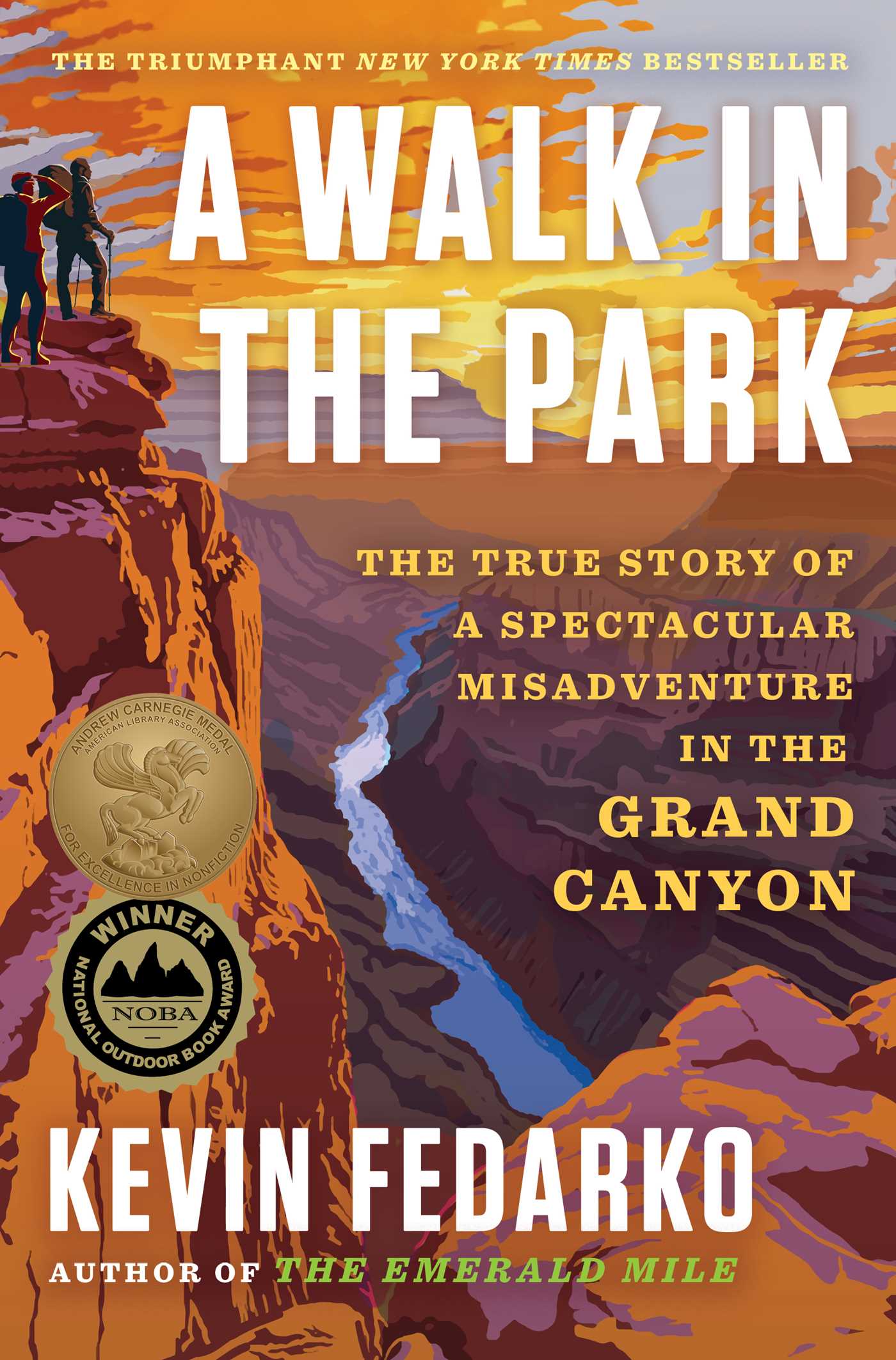
March: A Walk in the Park by Kevin Fedarko
Two friends, zero preparation, one dream. A few years after quitting his job to pursue an ill-advised dream of becoming a whitewater guide on the Colorado River, Kevin Fedarko was approached by his best friend, National Geographic photographer Pete McBride, with a vision as bold as it was harebrained. Together, they would embark on an end-to-end traverse of the Grand Canyon—a journey that, McBride promised, would be “a walk in the park.” Against his better judgment, Fedarko agreed, unaware that the small cluster of experts who had actually completed the crossing billed it as “the toughest hike in the world.” The ensuing ordeal, which lasted more than a year, revealed a place that was deeper, richer, and far more complex than anything the two men had imagined—and came within a hair’s breadth of killing them both. They struggled to make their way through the all-but impenetrable reaches of the canyon’s truest wilderness, a vertical labyrinth of thousand-foot cliffs and crumbling ledges where water is measured out by the teaspoon and every step is fraught with peril—and where, even today, there is still no trail spanning the length of the country’s best-known and most iconic landmark.
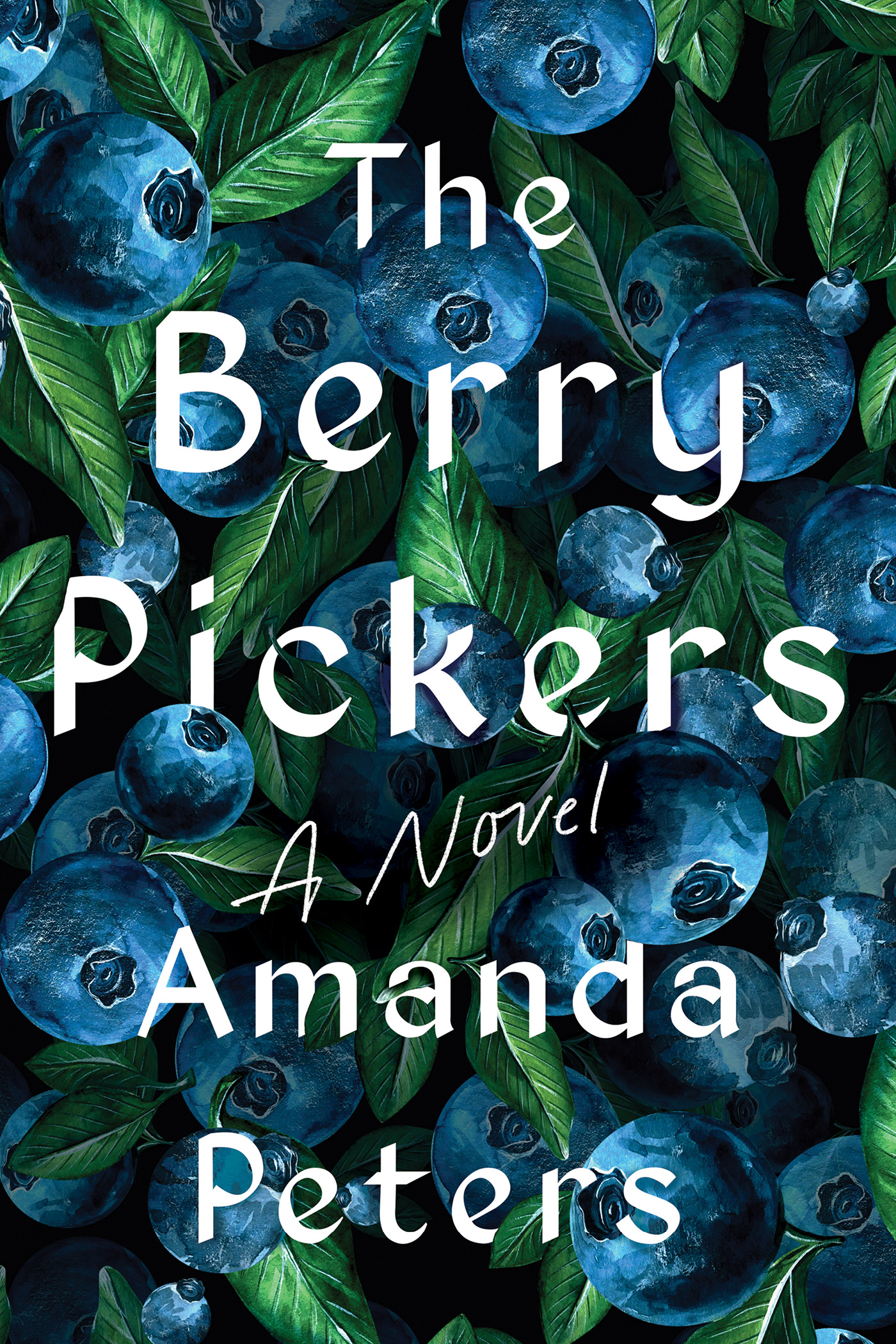
April: The Berry Pickers by Amanda Peters
July 1962. Following in the tradition of Indigenous workers from Nova Scotia, a Mi’kmaq family arrives in Maine to pick blueberries for the summer. Weeks later, four-year-old Ruthie, the family’s youngest child, vanishes. She is last seen by her six-year-old brother, Joe, sitting on a favorite rock at the edge of a berry field. Joe will remain distraught by his sister’s disappearance for years to come. In Maine, a young girl named Norma grows up as the only child of an affluent family. Her father is emotionally distant, her mother frustratingly overprotective. Norma is often troubled by recurring dreams and visions that seem more like memories than imagination. As she grows older, Norma slowly comes to realize there is something her parents aren’t telling her. Unwilling to abandon her intuition, she will spend decades trying to uncover this family secret.
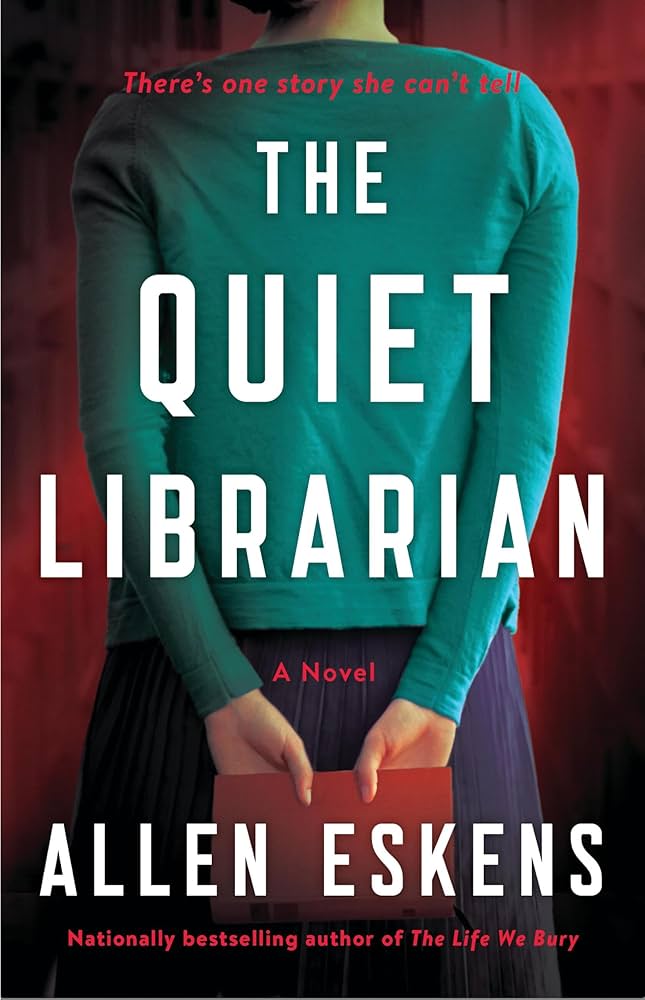
May: The Quiet Librarian by Allen Eskens (All Iowa Reads)
Hana Babic is a quiet, middle-aged librarian in Minnesota who wants nothing more than to be left alone. But when a detective arrives with the news that her best friend has been murdered, Hana knows that something evil has come for her, a dark remnant of the past she and her friend had shared.
Thirty years before, Hana was someone else: Nura Divjak, a teenager growing up in the mountains of war-torn Bosnia—until Serbian soldiers arrived to slaughter her entire family before her eyes. The events of that day thrust Nura into the war, leading her to join a band of militia fighters, where she became not only a fierce warrior but a legend—the deadly Night Mora. But a shattering final act forced Nura to flee to the United States with a bounty on her head.
Now, someone is hunting Hana, and her friend has paid the price, leaving her eight-year-old grandson in Hana’s care. To protect the child without revealing her secret, Hana must again become the Night Mora—and hope she can find the killer before the past comes for them, too.

June: That Librarian by Amanda Jones
One of the things small town librarian Amanda Jones values most about books is how they can affirm a young person’s sense of self. So in 2022, when she caught wind of a local public hearing that would discuss “book content,” she knew what was at stake. Schools and libraries nationwide have been bombarded by demands for books with LGTBQ+ references, discussions of racism, and more to be purged from the shelves. Amanda would be damned if her community were to ban stories representing minority groups. She spoke out that night at the meeting. Days later, she woke up to a nightmare that is still ongoing. Amanda Jones has been called a groomer, a pedo, and a porn-pusher; she has faced death threats and attacks from strangers and friends alike. Her decision to support a collection of books with diverse perspectives made her a target for extremists using book banning campaigns-funded by dark money organizations and advanced by hard right politicians-in a crusade to make America more white, straight, and “Christian.” But Amanda Jones wouldn’t give up without a fight: she sued her harassers for defamation and urged others to join her in the resistance.
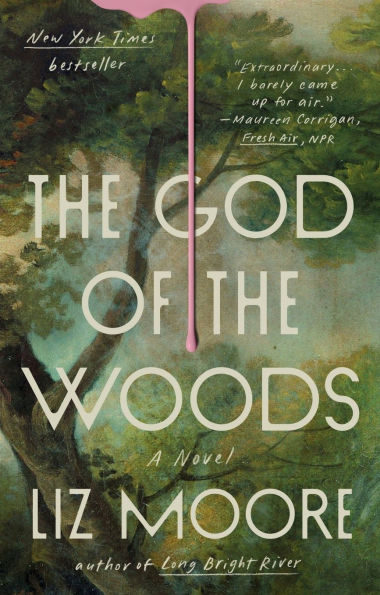
July: The God of the Woods by Liz Moore
Early morning, August 1975: a camp counselor discovers an empty bunk. Its occupant, Barbara Van Laar, has gone missing. Barbara isn’t just any thirteen-year-old: she’s the daughter of the family that owns the summer camp and employs most of the region’s residents. And this isn’t the first time a Van Laar child has disappeared. Barbara’s older brother similarly vanished fourteen years ago, never to be found. As a panicked search begins, a thrilling drama unfolds. Chasing down the layered secrets of the Van Laar family and the blue-collar community working in its shadow, Moore’s multi-threaded story invites readers into a rich and gripping dynasty of secrets and second chances.
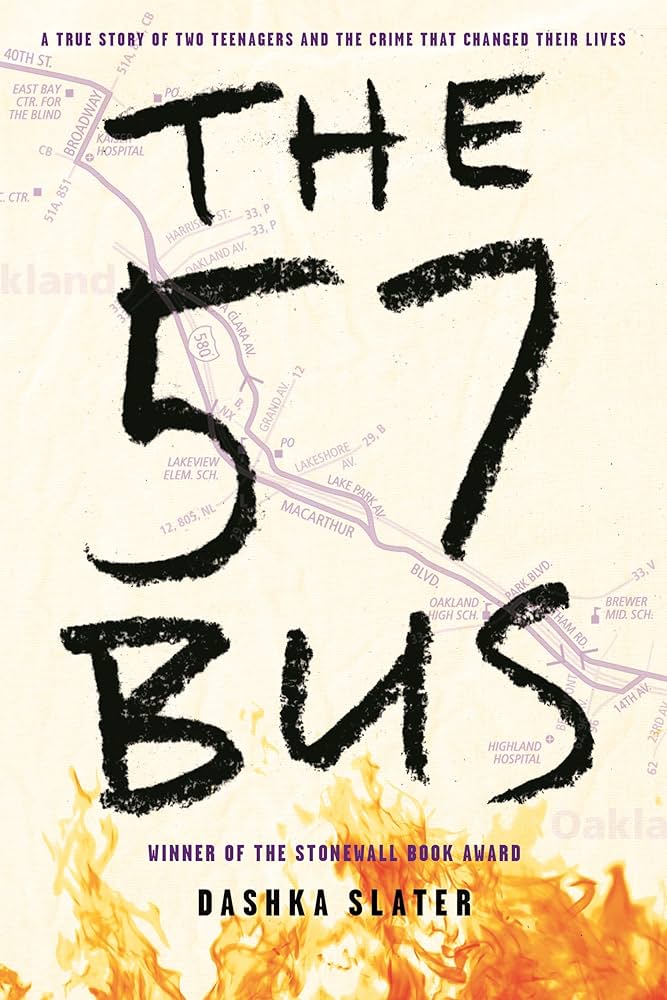
August: The 57 Bus by Dashka Slater
Two ends of the same line. Two sides of the same crime. If it weren’t for the 57 bus, Sasha and Richard never would have met. Both were high school students from Oakland, California, one of the most diverse cities in the country, but they inhabited different worlds. Sasha, a white teen, lived in the middle-class foothills and attended a small private school. Richard, a Black teen, lived in the economically challenged flatlands and attended a large public one. Each day, their paths overlapped for a mere eight minutes. But one afternoon on the bus ride home from school, a single reckless act left Sasha severely burned, and Richard charged with two hate crimes and facing life imprisonment. The case garnered international attention, thrusting both teenagers into the spotlight. But in The 57 Bus, award-winning journalist Dashka Slater shows that what might at first seem like a simple matter of right and wrong, justice and injustice, victim and criminal, is something more complicated―and far more heartbreaking.
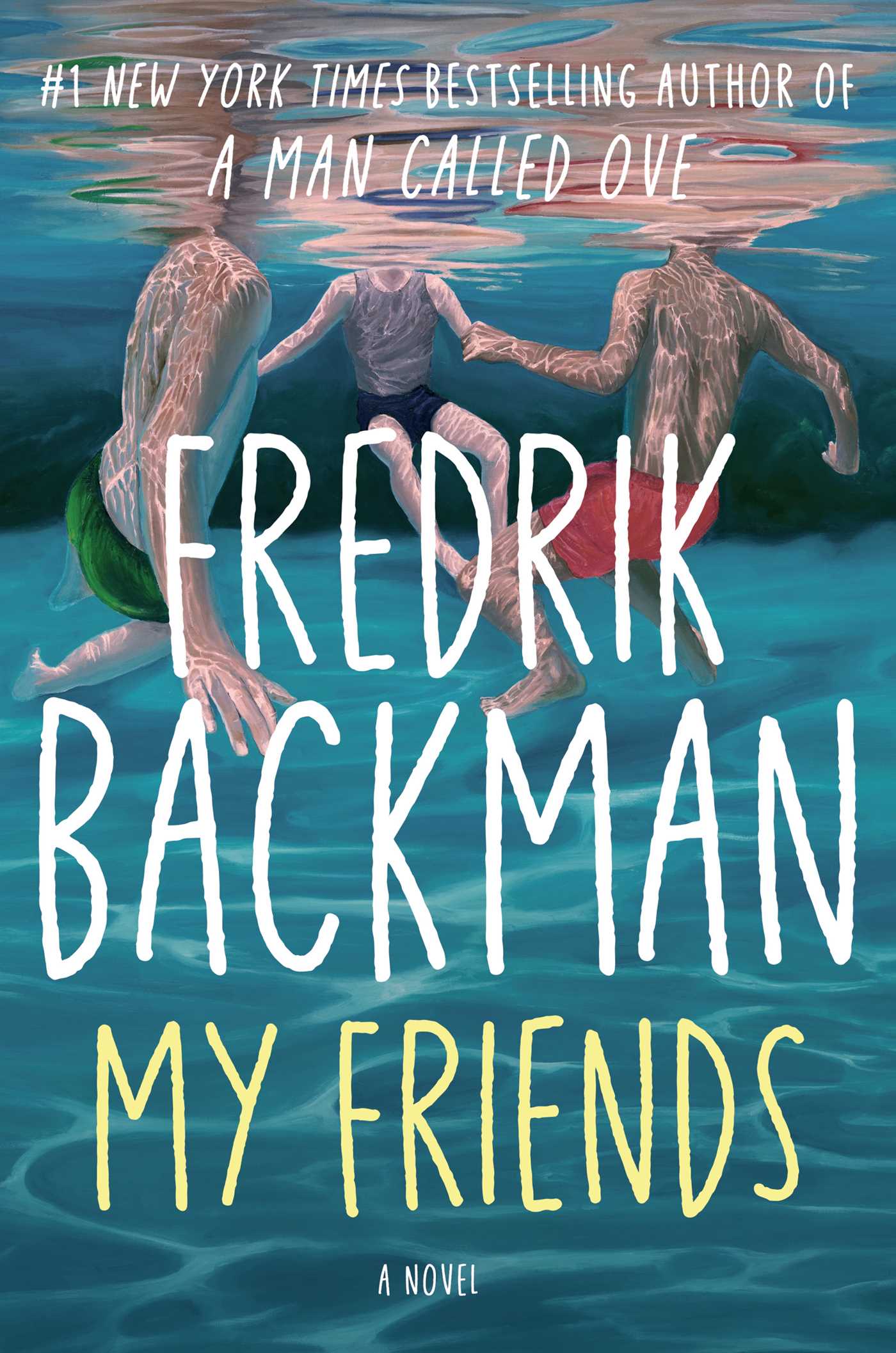
September: My Friends by Fredrik Backman
Most people don’t even notice them—three tiny figures sitting at the end of a long pier in the corner of one of the most famous paintings in the world. Most people think it’s just a depiction of the sea. But Louisa, an aspiring artist herself, knows otherwise, and she is determined to find out the story of these three enigmatic figures. Twenty-five years earlier, in a distant seaside town, a group of teenagers find refuge from their bruising home lives by spending long summer days on an abandoned pier, telling silly jokes, sharing secrets, and committing small acts of rebellion. These lost souls find in each other a reason to get up each morning, a reason to dream, a reason to love. Out of that summer emerges a transcendent work of art, a painting that will unexpectedly be placed into eighteen-year-old Louisa’s care. She embarks on a surprise-filled cross-country journey to learn how the painting came to be and to decide what to do with it. The closer she gets to the painting’s birthplace, the more nervous she becomes about what she’ll find. Louisa is proof that happy endings don’t always take the form we expect in this stunning testament to the transformative, timeless power of friendship and art.
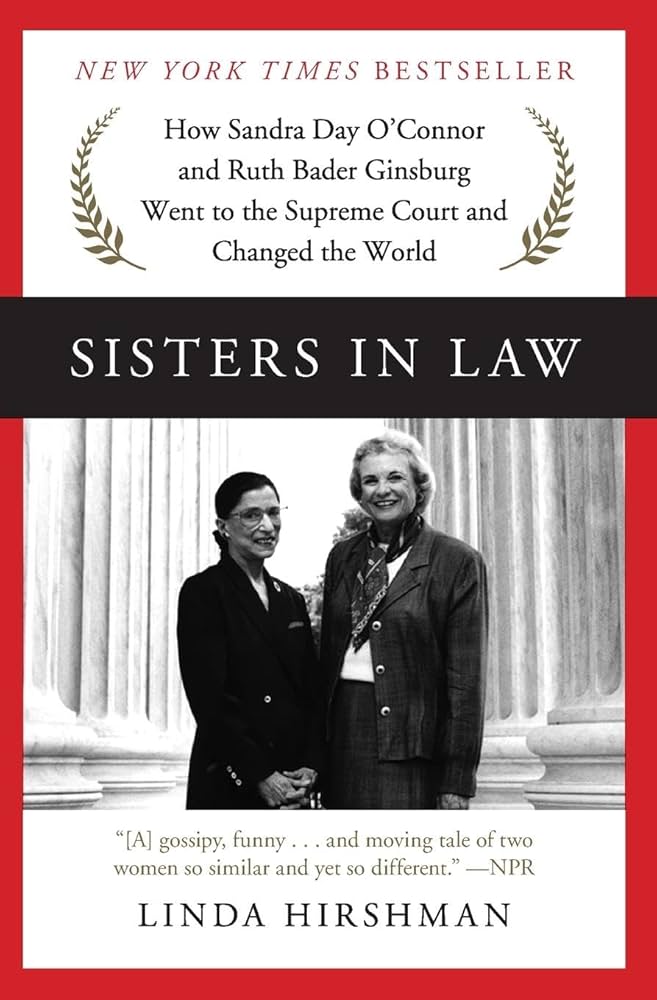
October: Sisters in Law by Linda Hirshman
The relationship between Sandra Day O’Connor and Ruth Bader Ginsburg—Republican and Democrat, Christian and Jew, western rancher’s daughter and Brooklyn girl—transcends party, religion, region, and culture. Strengthened by each other’s presence, these groundbreaking judges, the first and second to serve on the highest court in the land, have transformed the Constitution and America itself, making it a more equal place for all women.
Linda Hirshman’s dual biography includes revealing stories of how these trailblazers fought for their own recognition in a male-dominated profession—battles that would ultimately benefit every American woman. She also makes clear how these two justices have shaped the legal framework of modern feminism, including employment discrimination, abortion, affirmative action, sexual harassment, and many other issues crucial to women’s lives.

November: Winter Counts by David Heska Wanbli Weiden
Virgil Wounded Horse is the local enforcer on the Rosebud Indian Reservation in South Dakota. When justice is denied by the American legal system or the tribal council, Virgil is hired to deliver his own punishment, the kind that’s hard to forget. But when heroin makes its way into the reservation and finds Virgil’s nephew, his vigilantism suddenly becomes personal. He enlists the help of his ex-girlfriend and sets out to learn where the drugs are coming from, and how to make them stop. They follow a lead to Denver and find that drug cartels are rapidly expanding and forming new and terrifying alliances. And back on the reservation, a new tribal council initiative raises uncomfortable questions about money and power. As Virgil starts to link the pieces together, he must face his own demons and reclaim his Native identity. He realizes that being a Native American in the twenty-first century comes at an incredible cost.
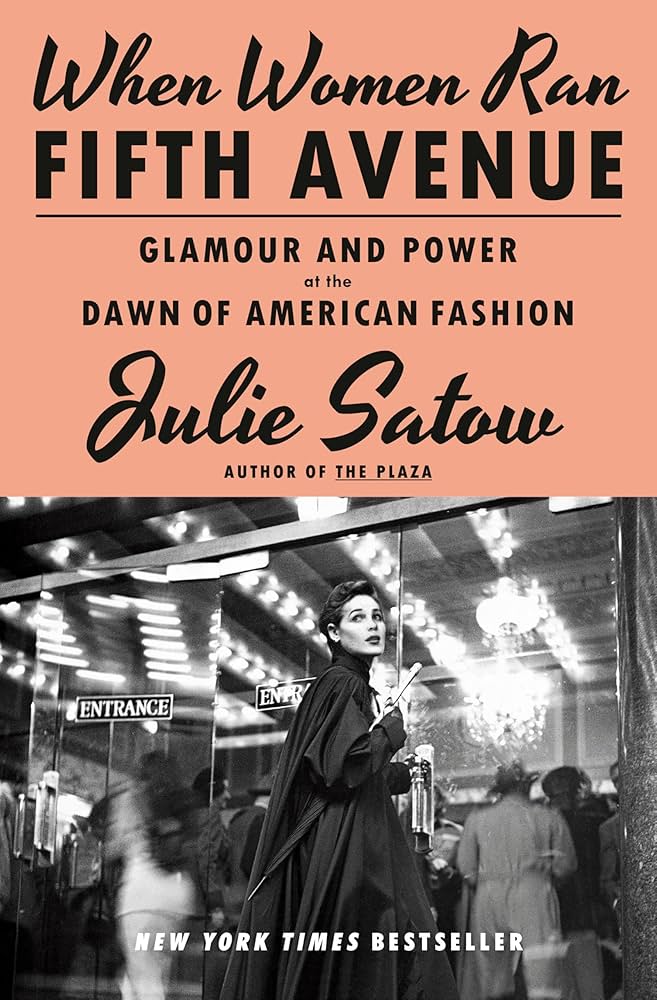
December: When Women Ran Fifth Avenue by Julie Satow
The twentieth century American department store: a palace of consumption where women, shopper and shopgirl alike, could stake out a newfound independence. Whether in New York, Chicago, or on Main Street, USA, men owned the buildings, but inside, women ruled. In this hothouse atmosphere, three women rose to the top. In the 1930s, Hortense Odlum of Bonwit Teller came to her husband’s department store as a housewife and wound up running the company. Dorothy Shaver of Lord & Taylor championed American designers during World War II–before which US fashions were almost exclusively Parisian copies–becoming the first businesswoman to earn a $1 million salary. And in the 1960s Geraldine Stutz of Henri Bendel re-invented the look of the modern department store and inspired a devoted following of ultra-chic shoppers as well as decades of copycats. Journalist Julie Satow draws back the curtain on three visionaries in this stylish account, rich with personal drama and trade secrets, and showcases the women who made that beautifully curated world go round.
2027
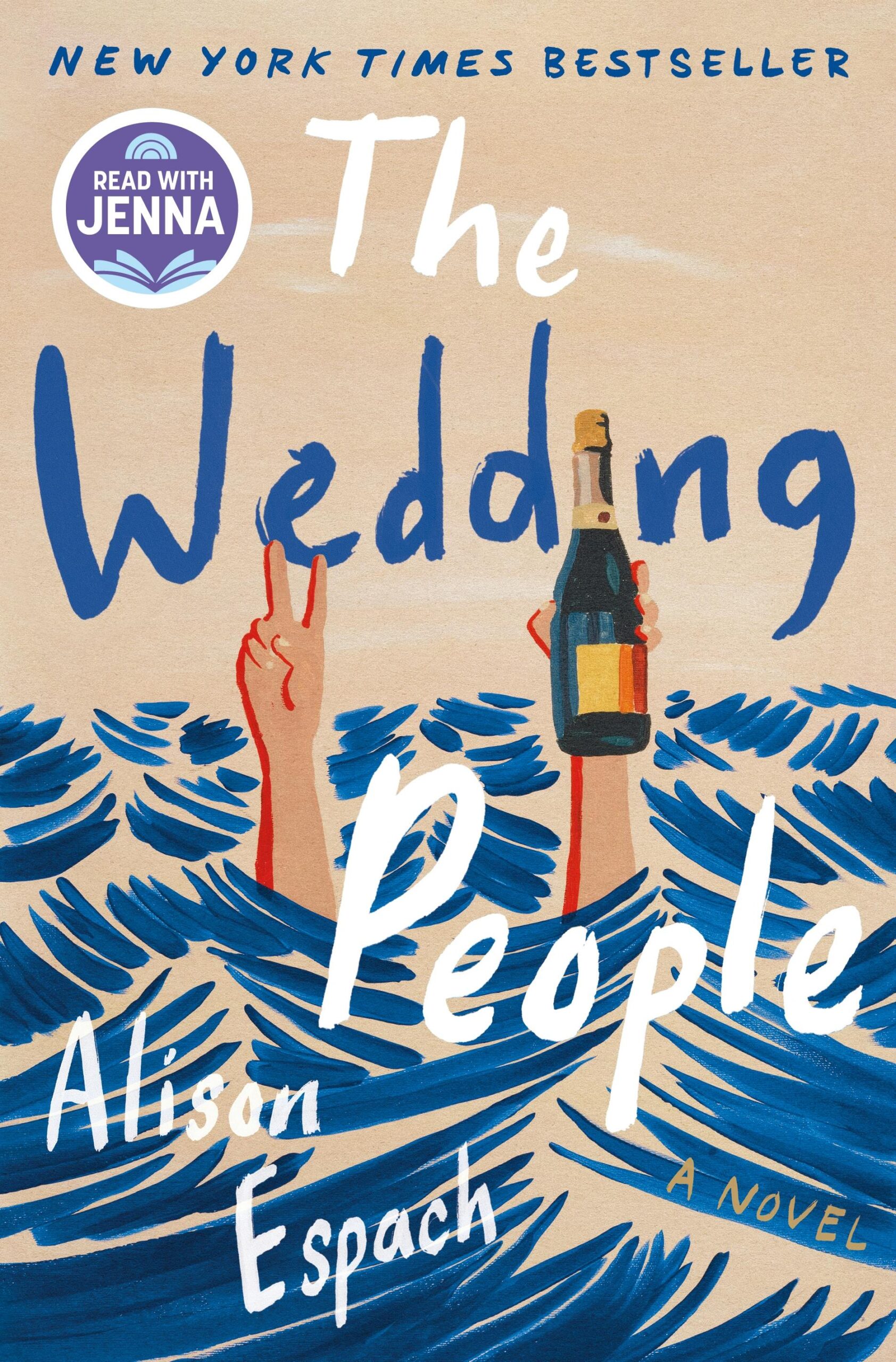
January: The Wedding People by Alison Espach
It’s a beautiful day in Newport, Rhode Island, when Phoebe Stone arrives at the grand Cornwall Inn wearing a green dress and gold heels, not a bag in sight, alone. She’s immediately mistaken by everyone in the lobby for one of the wedding people, but she’s actually the only guest at the Cornwall who isn’t here for the big event. Phoebe is here because she’s dreamed of coming for years―she hoped to shuck oysters and take sunset sails with her husband, only now she’s here without him, at rock bottom, and determined to have one last decadent splurge on herself. Meanwhile, the bride has accounted for every detail and every possible disaster the weekend might yield except for, well, Phoebe and Phoebe’s plan―which makes it that much more surprising when the two women can’t stop confiding in each other. In turns absurdly funny and devastatingly tender, Alison Espach’s The Wedding People is ultimately an incredibly nuanced and resonant look at the winding paths we can take to places we never imagined―and the chance encounters it sometimes takes to reroute us.